
Scent as Therapy: Opportunities and Limitations in Modern Medicine
Scents may support well-being and are being studied in medicine. How can they be used safely, effectively and voluntarily in the patient rooms of tomorrow?
Scents in Medicine: Therapeutic Potential for the Patient Rooms of the Future.
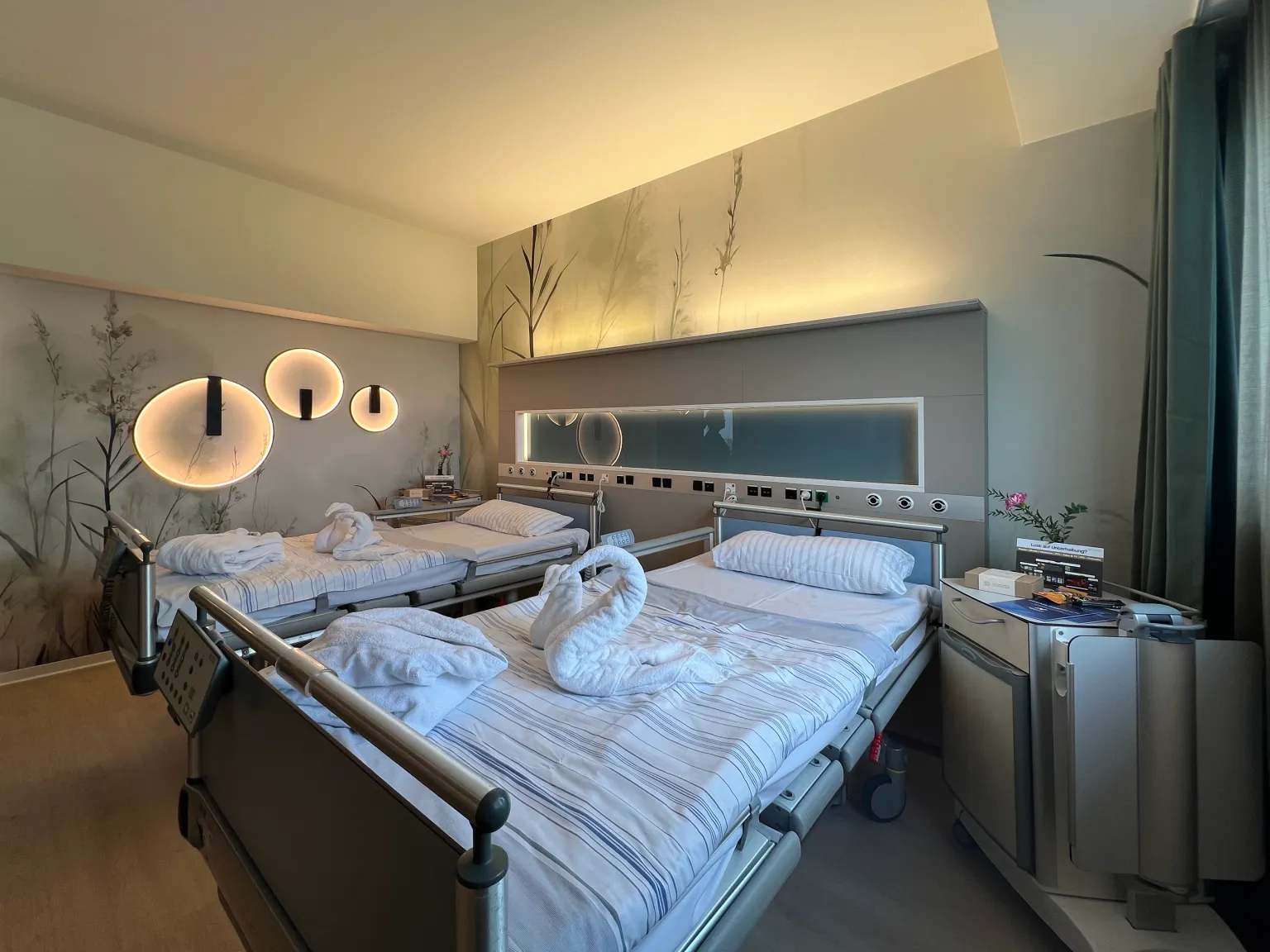
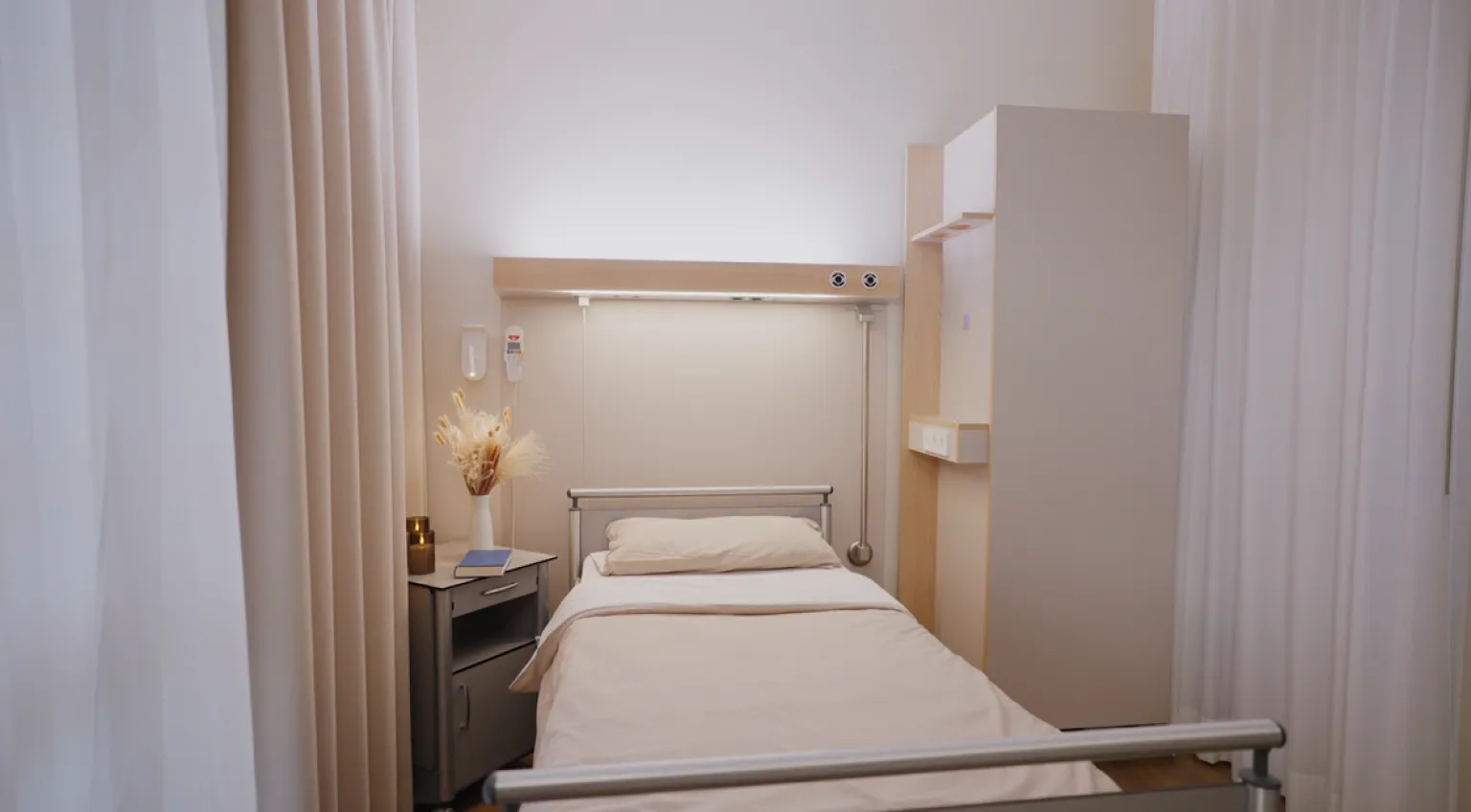
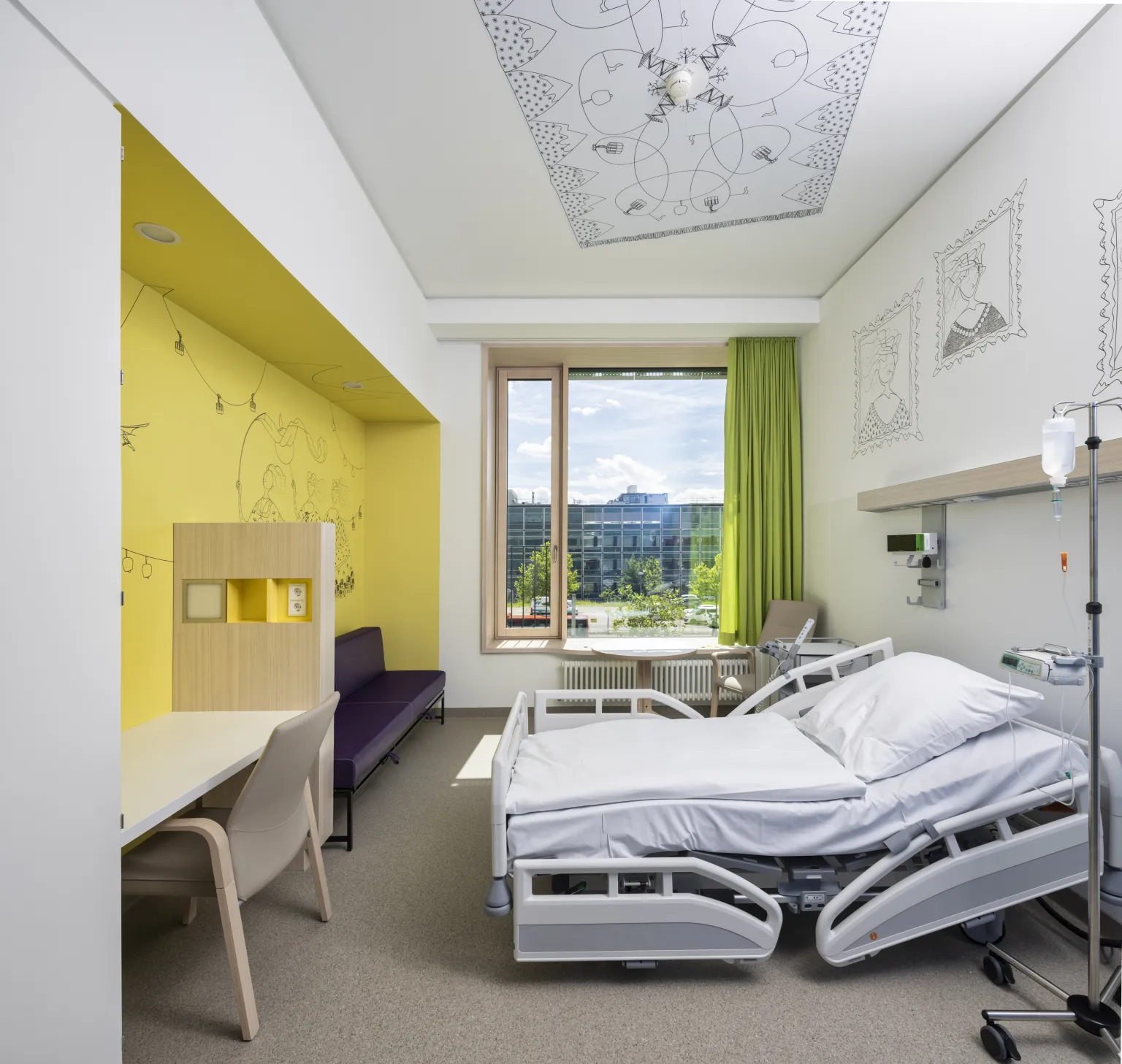
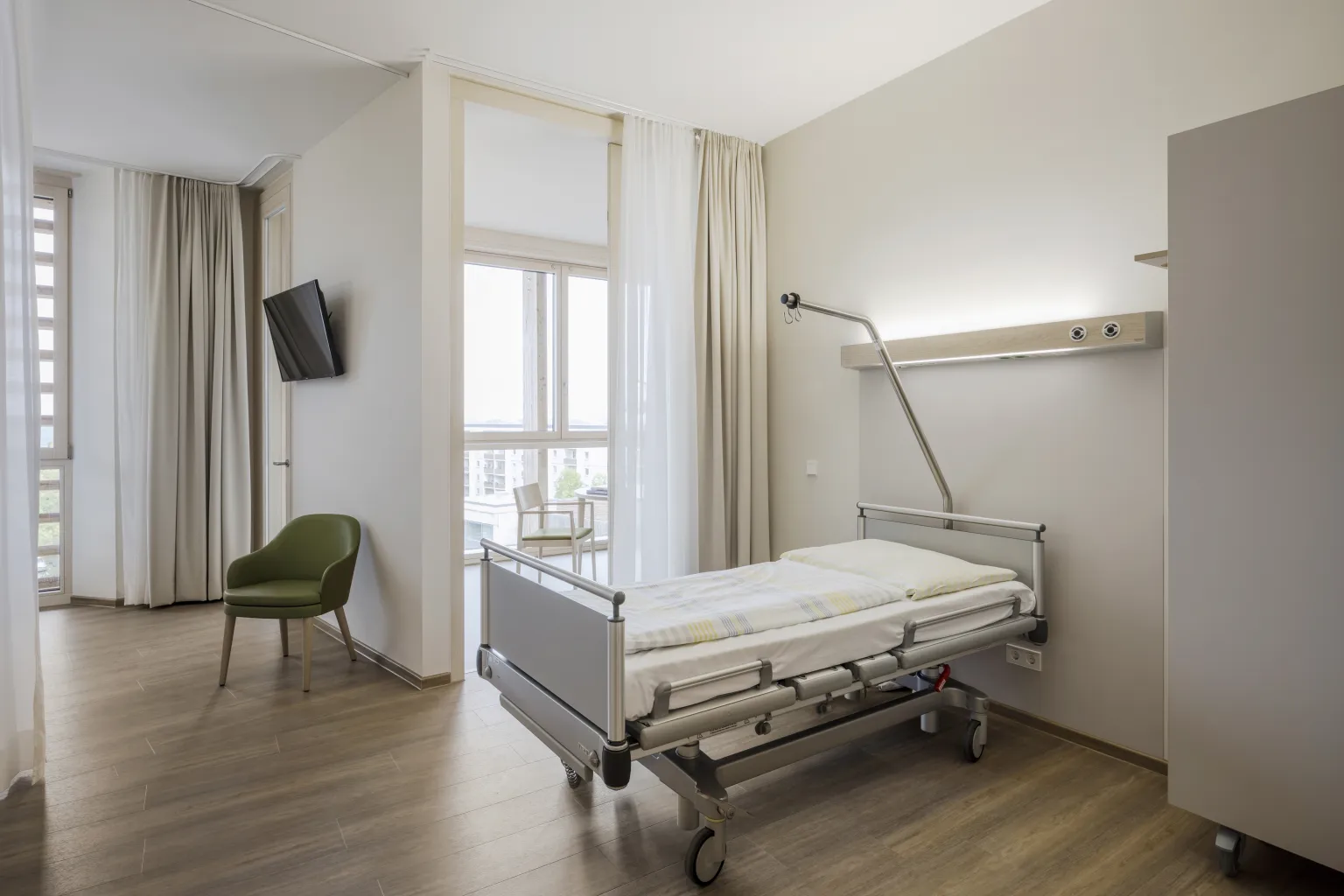
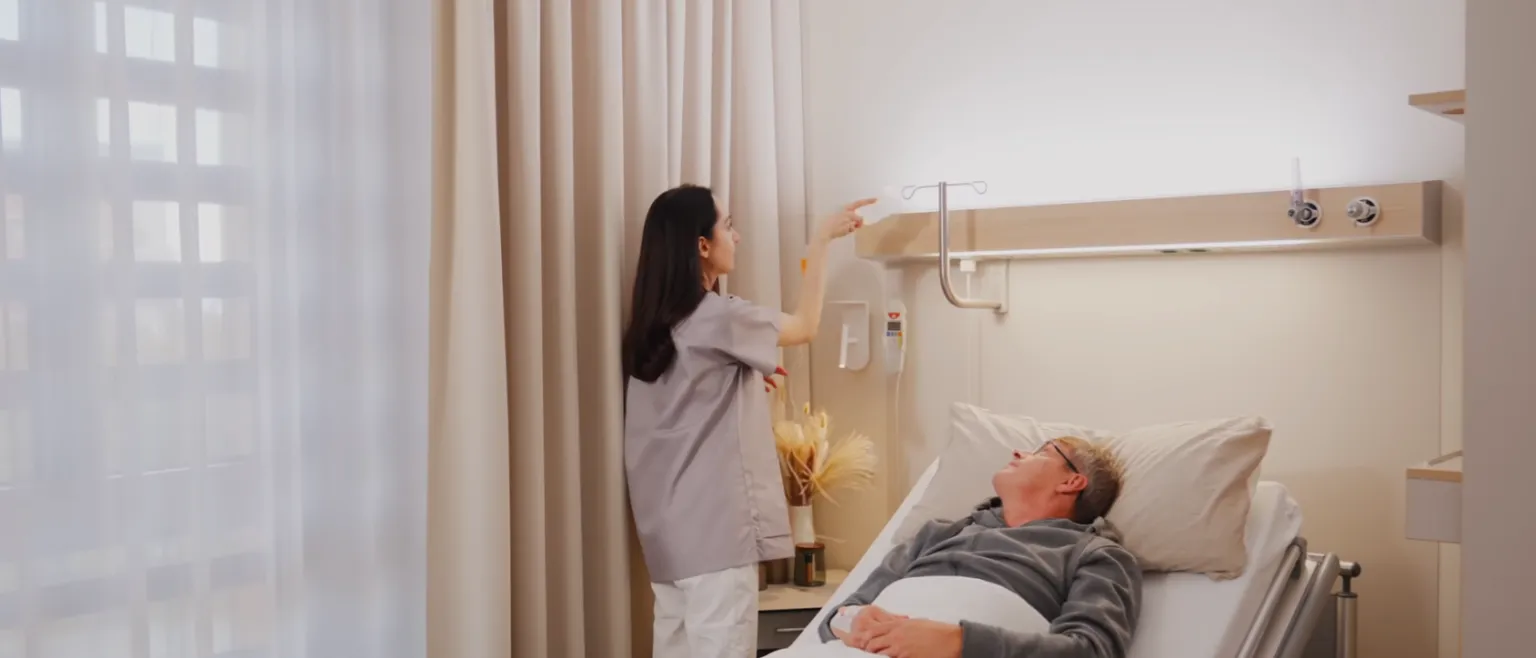
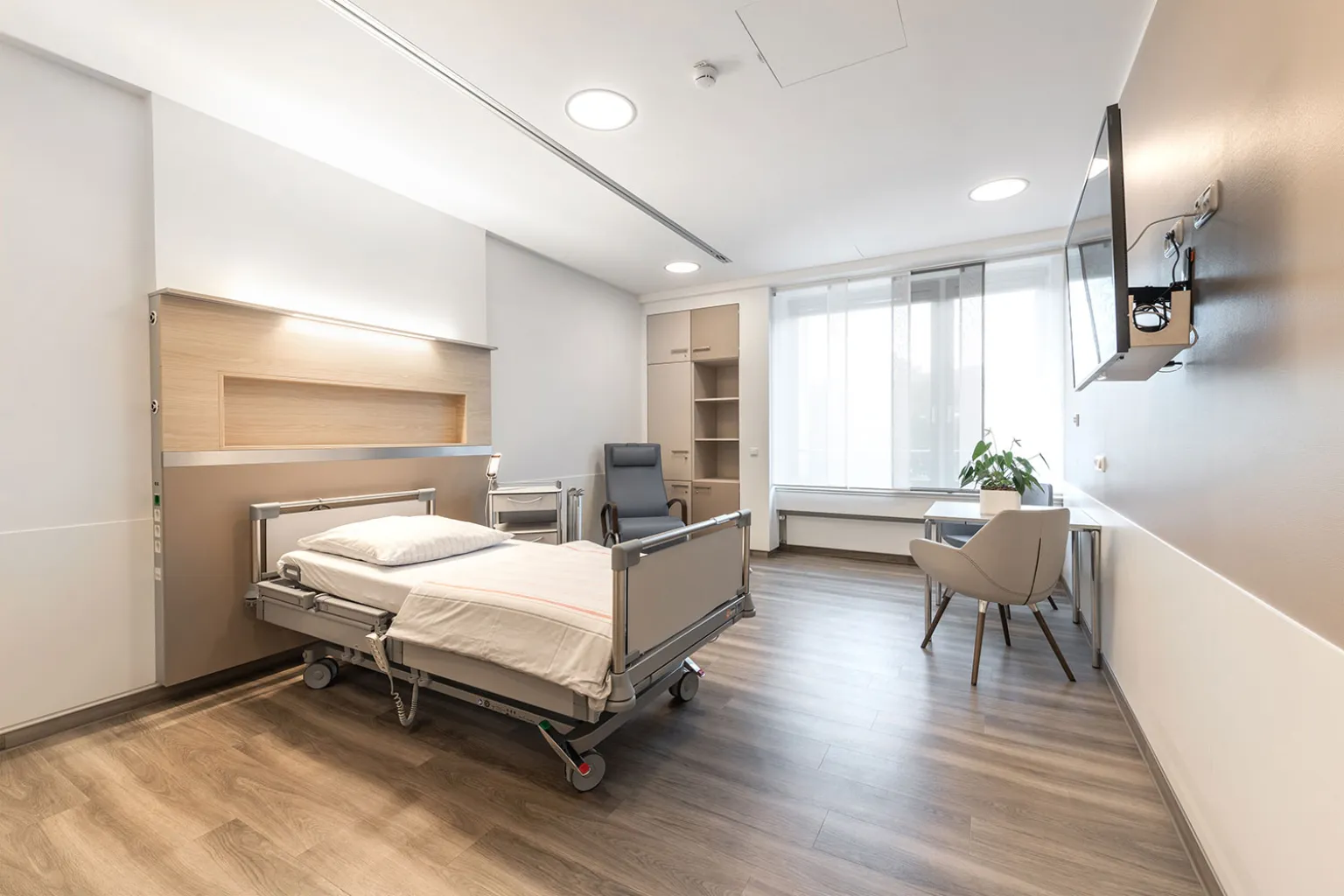
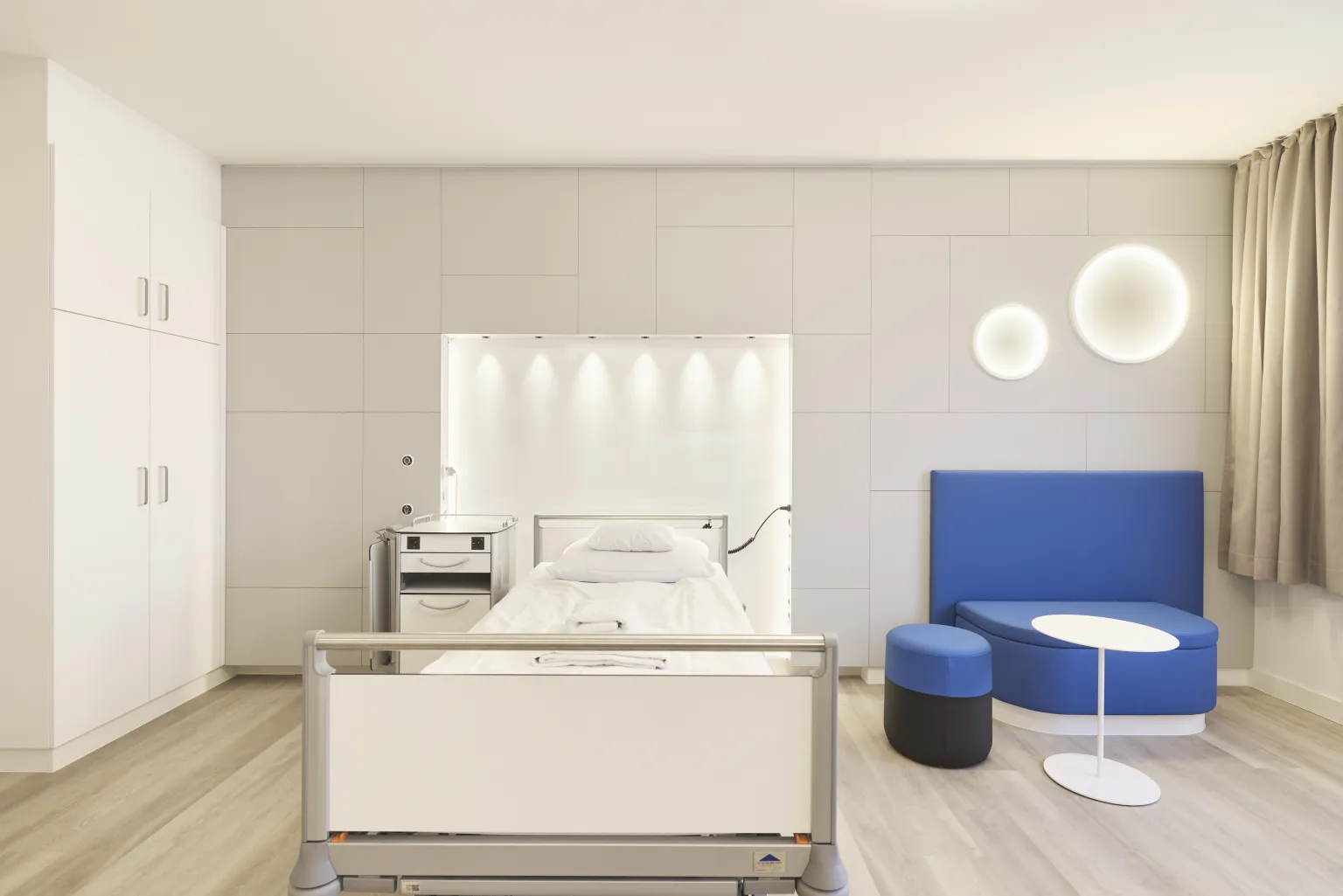
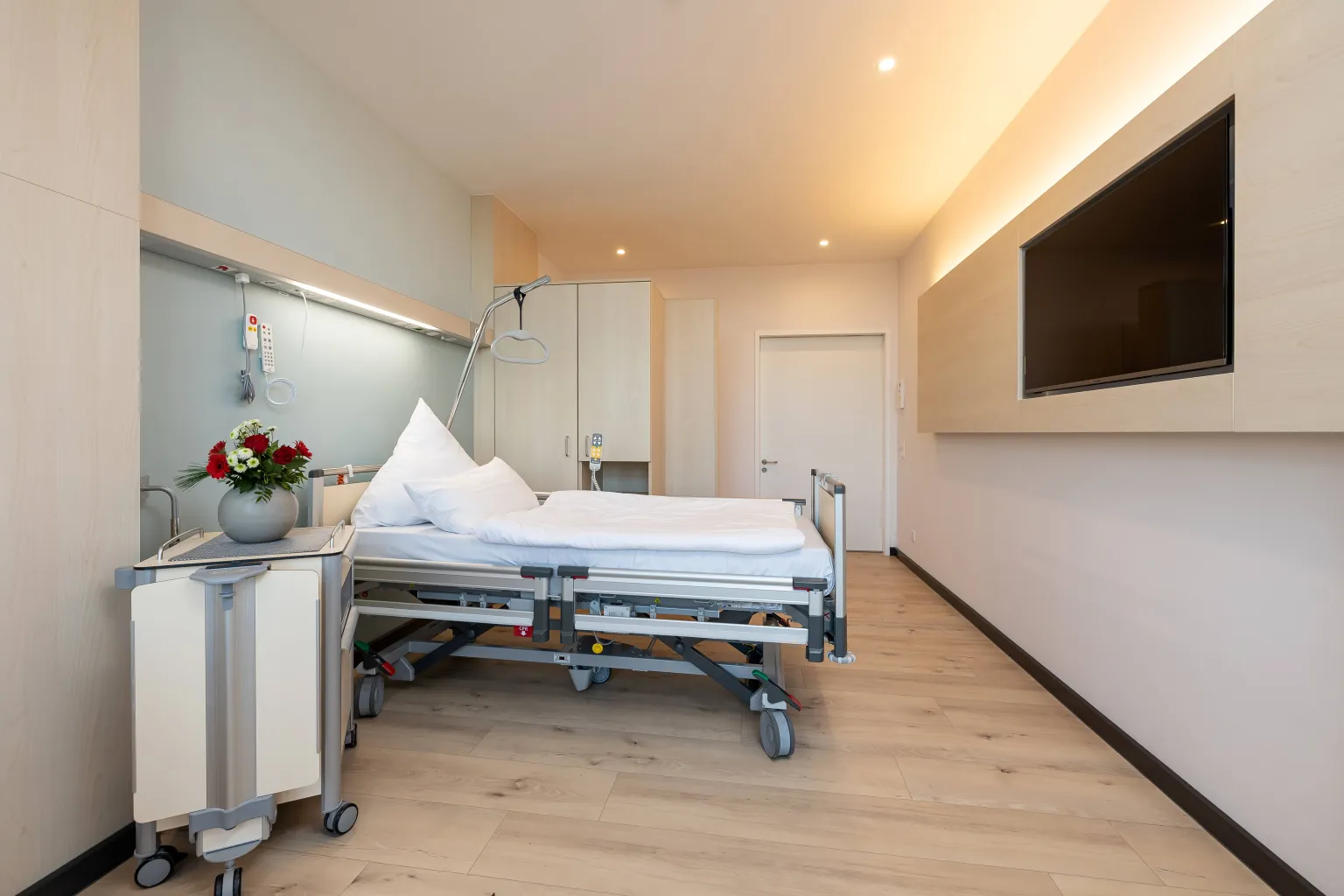
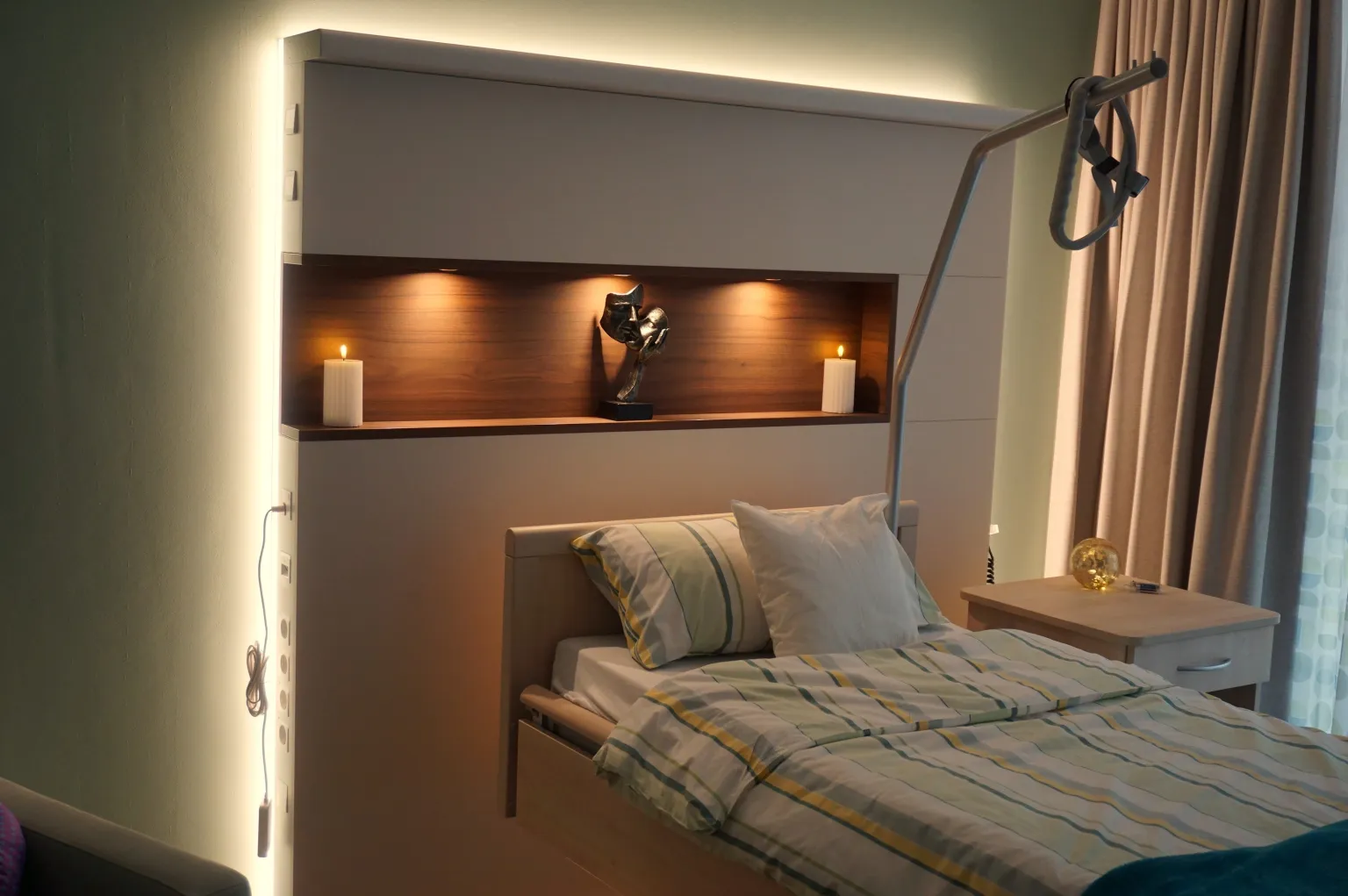
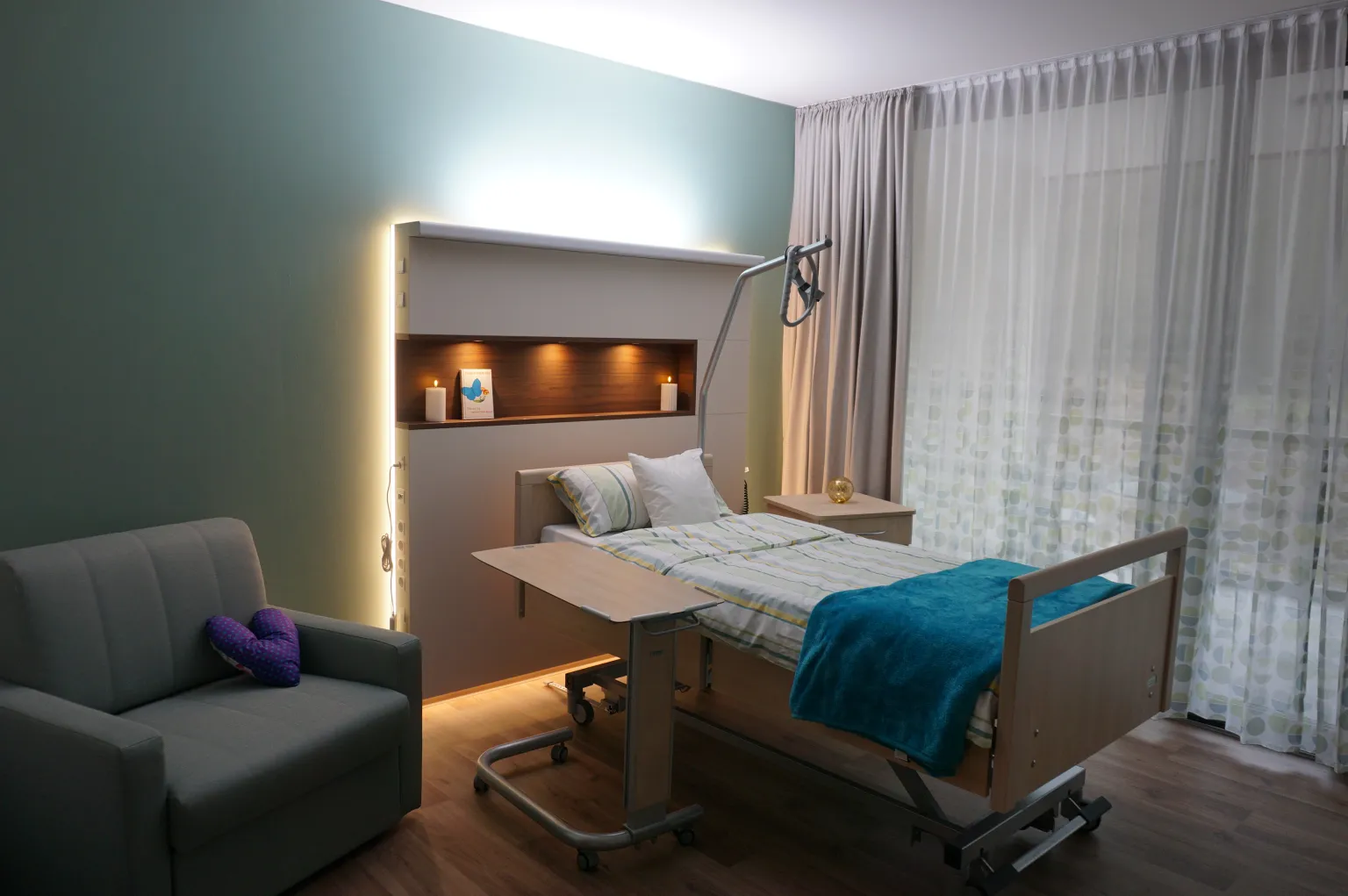
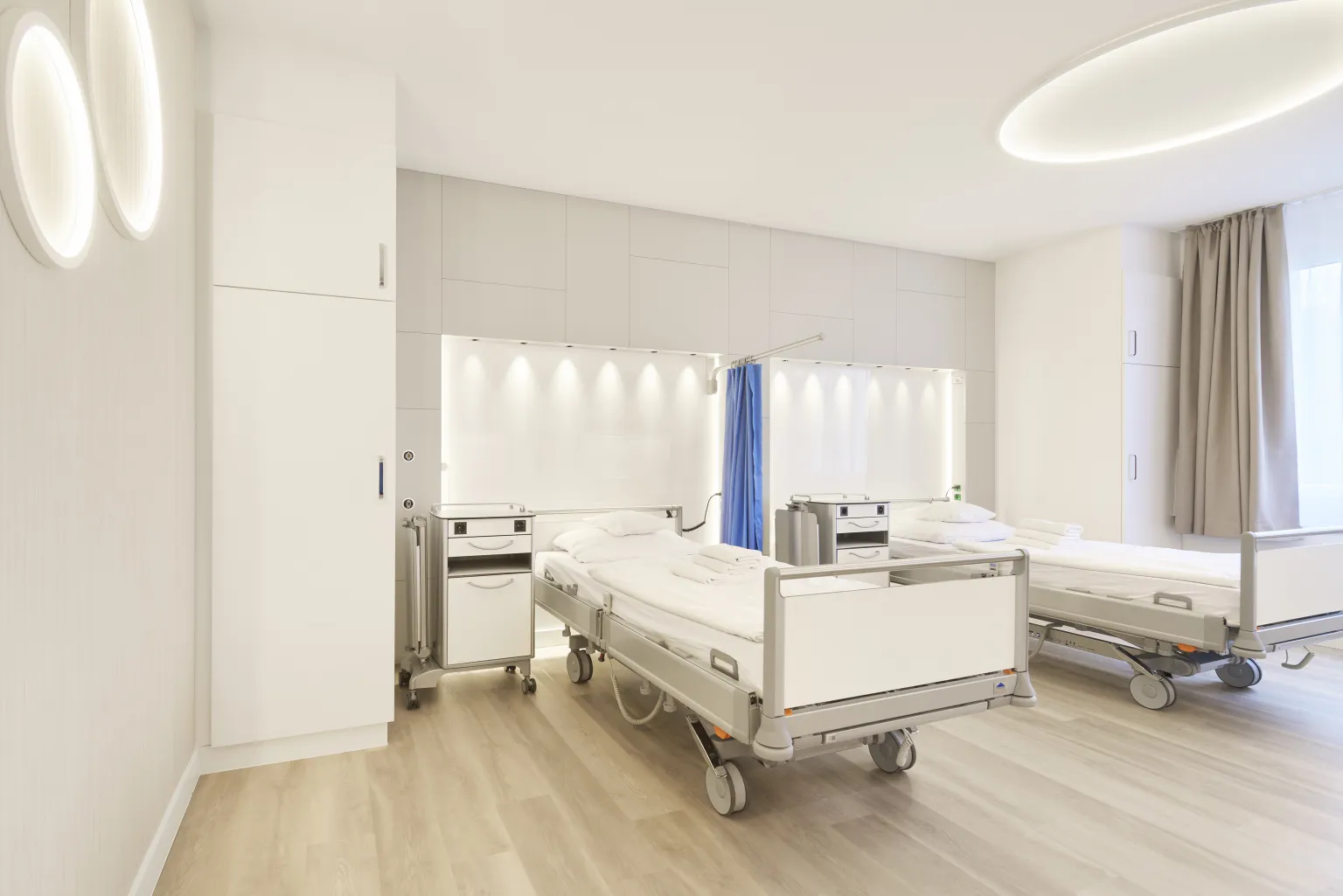
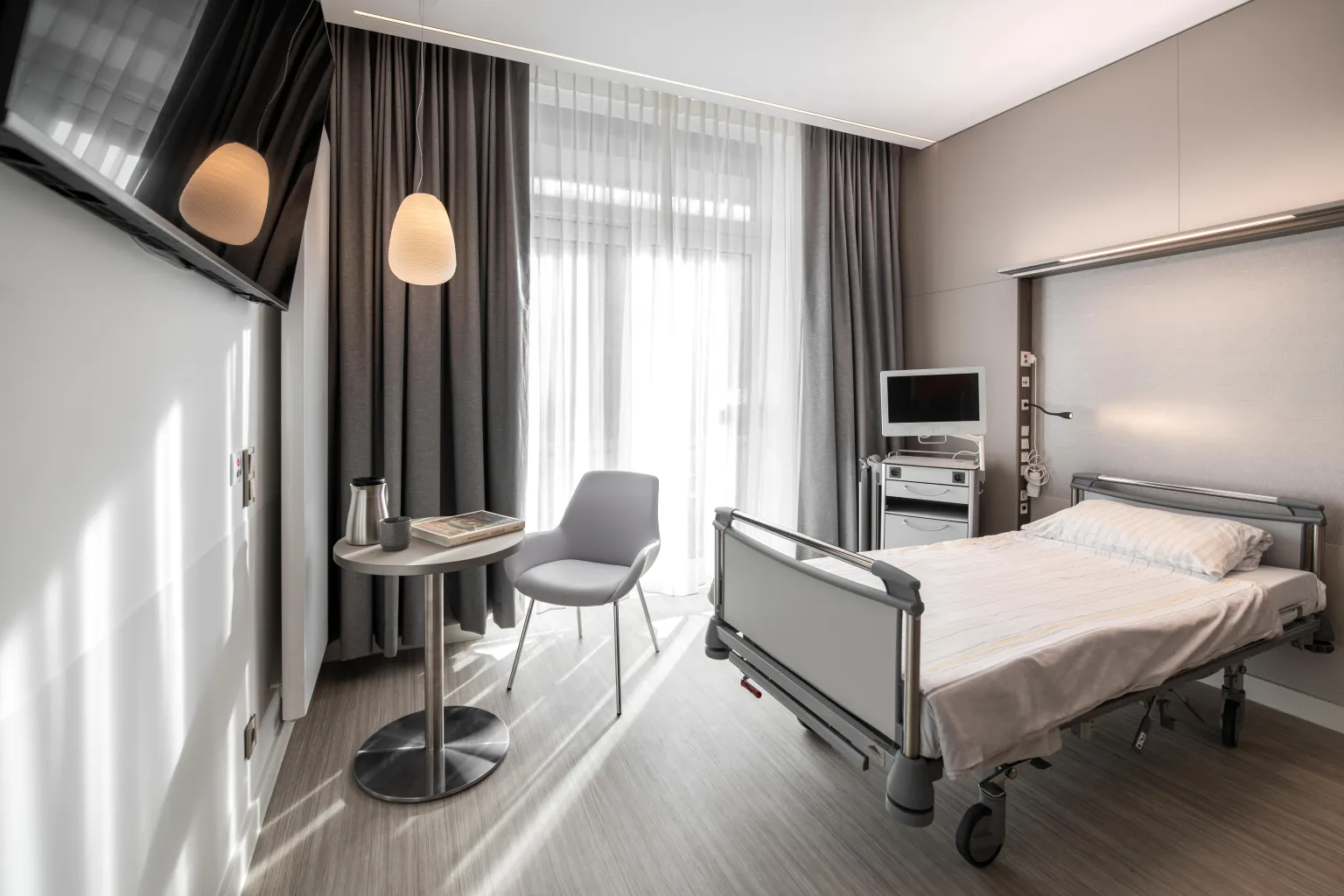
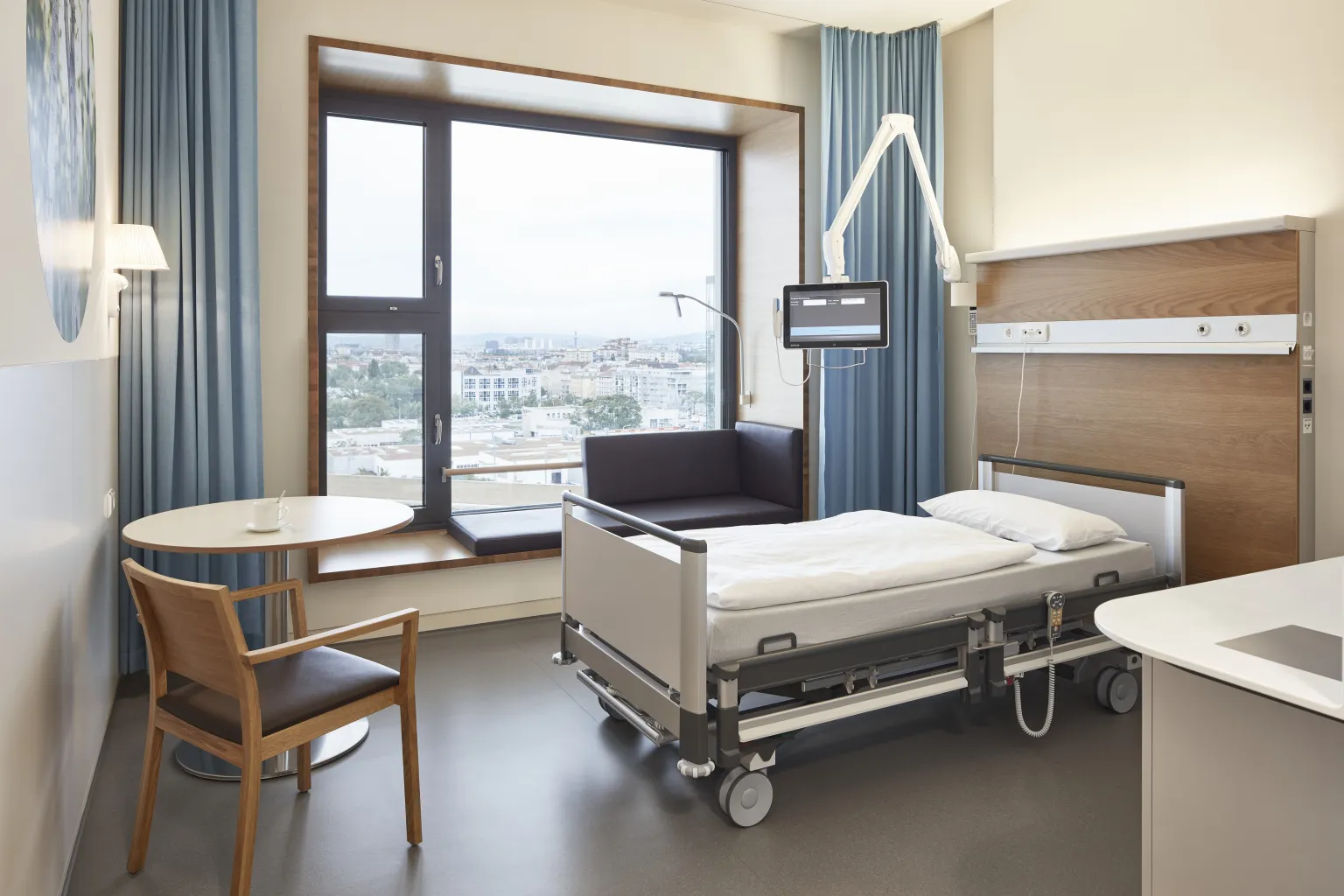
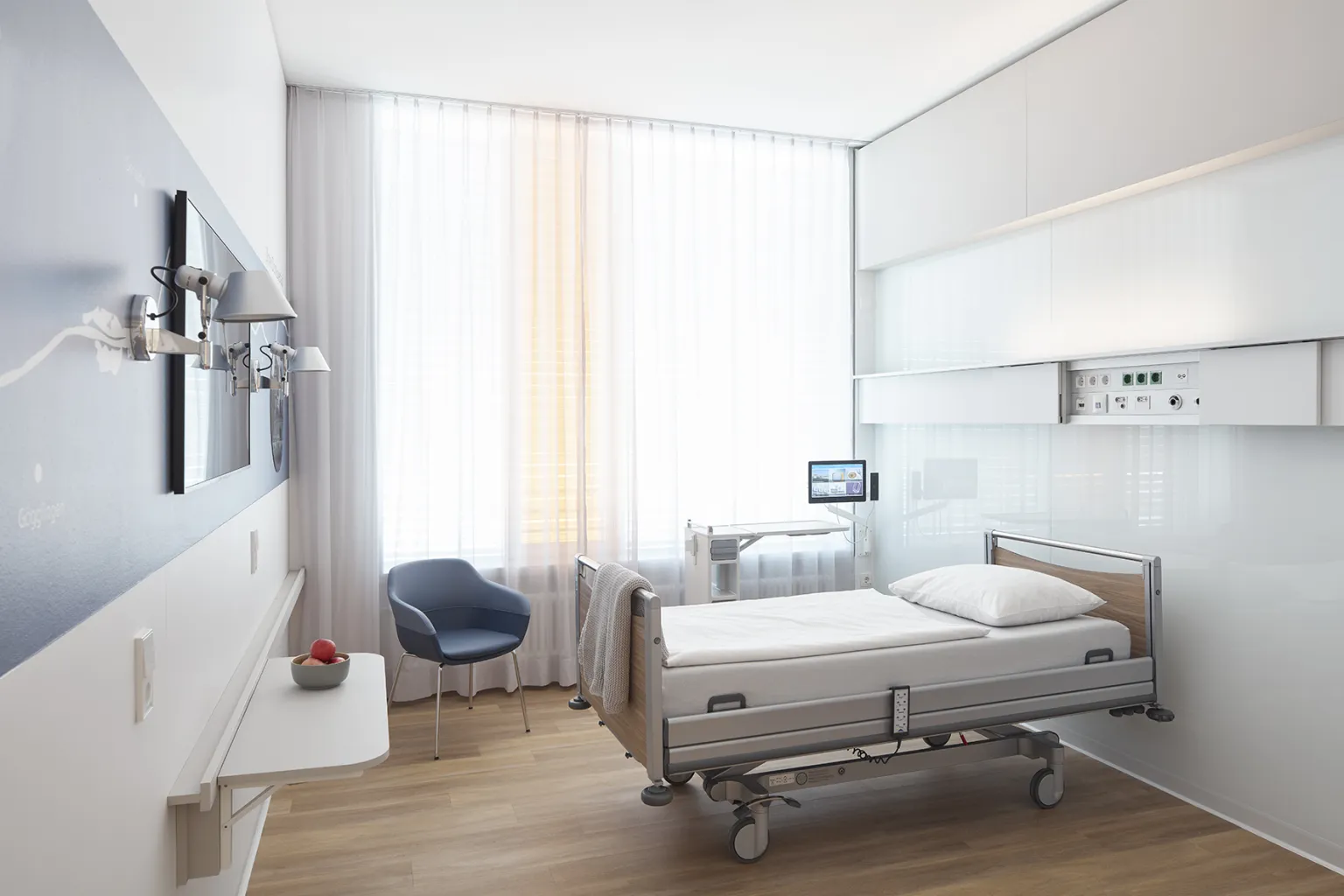
When we talk about modern patient rooms, we usually think of lighting, acoustics, ergonomics, and materials. But the sense of smell can also play a role in medical care.
Specific examples show that scents are already being used in German hospitals today and that their therapeutic potential is being scientifically studied.
Mannheim University Medical Center: Aromatherapy in Everyday Hospital Care
Mannheim University Medical Center offers continuing education courses on aromatherapy. This approach is used, among other places, in the maternity room and the palliative care unit — for example, to promote well-being.
Aromatherapy After Heart Surgery
The use of rose and lavender scents has also been studied in clinical trials following open-heart surgery. A randomized trial involving 160 patients, as well as a systematic review of nine studies involving a total of 656 patients, provided evidence of potential improvements in anxiety, pain, and heart rate.
The results are promising, but they cannot be generalized to every application.
Fragrance Requires Responsibility
As promising as the possibilities may be, involuntary room fragrancing should be viewed with skepticism. Fragrances can trigger allergies and irritation. Therefore, the use of fragrances must be voluntary, controllable, and properly dosed. Direct skin contact with essential oils and potential contact allergies must also be taken into account.
What does this mean for the future of patient rooms?
We should not simply appeal to more senses, but rather incorporate them in a conscious and responsible manner. Light, sound, and scent can offer opportunities to promote well-being and support complementary therapeutic approaches—provided their use is medically appropriate and can be individually controlled.
At Schyns Medizintechnik, we are exploring how multisensory approaches can be integrated into medical care. Our goal is to keep technology in the background and focus on the quality of the patient’s stay.
The future of healthcare is multisensory. How we shape it is crucial.
Sources:
• Universitätsmedizin Mannheim – Aromapflege: https://www.pflege-umm.de/pflege-konzepte/aromapflege
• Klinische Studie zu Rosen- und Lavendelduft nach Herzoperationen: https://pubmed.ncbi.nlm.nih.gov/32267031/
• Systematische Übersichtsarbeit zur Aromatherapie bei Herzoperationen: https://pubmed.ncbi.nlm.nih.gov/31987220/
• Bundesinstitut für Risikobewertung – Ätherische Öle: https://www.bfr.bund.de/fragen-und-antworten/thema/aetherische-oele-duftende-wirkungen-mit-einschraenkungen/






Talk to us about your project or concern
Whether it's your initial idea or a concrete project, we'll provide you with personalized, committed advice with a holistic view. Contact us. We look forward to hearing from you.
Make contact
By people. For people.
If you are looking for
bedhead panel
you are at Schyns
precisely!